
3 Star AC and 5 Star AC differences
Know the key differences between 3 Star and 5 Star ACs in terms of energy efficiency, cost and long-term savings to choose wisely.
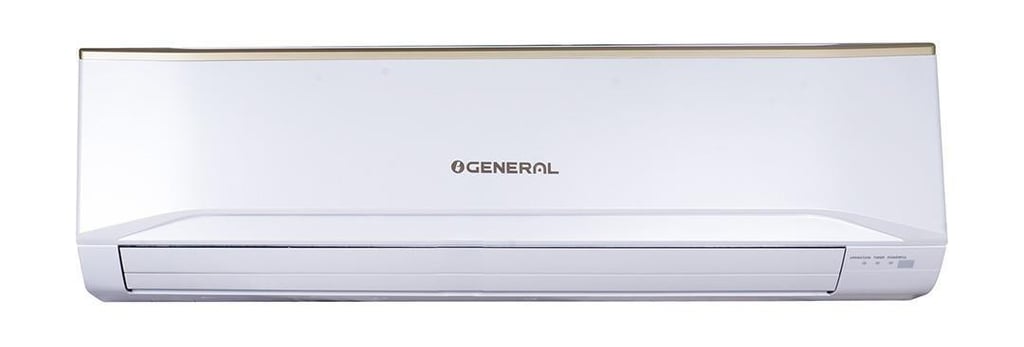
What is the Difference Between 3 Star AC and 5 Star AC?
(3 Star AC और 5 Star AC में क्या अंतर होता है?)
When buying an Air Conditioner (AC), one of the most important factors to consider is its star rating. This rating directly affects how much electricity the AC consumes and how efficient it is in cooling your space.
But what does a 3 Star or 5 Star AC really mean? How do they differ in performance, cost, and long-term value?
Let’s understand the key differences between these two types of ACs to help you make the right decision.
(जब हम एक Air Conditioner (AC) खरीदते हैं, तो उसका star rating एक महत्वपूर्ण फैक्टर होता है। लेकिन 3-star या 5-star AC का असली मतलब क्या होता है? आइए विस्तार से समझते हैं।)
1. Energy Efficiency (ऊर्जा दक्षता):
The star rating of an AC indicates its energy efficiency. A 5 Star AC is more energy efficient than a 3 Star AC. This means it uses less electricity to provide the same level of cooling. A 5 Star AC has a higher EER (Energy Efficiency Ratio), which means it delivers more cooling per unit of electricity consumed. This efficiency is especially beneficial for users who run their ACs for long hours daily. Example: If both a 3 Star and 5 Star AC are rated at 1.5 Ton and run for 8 hours a day, the 5 Star AC will consume significantly less electricity over time.
(5 Star AC, 3 Star AC की तुलना में ज्यादा energy efficient होता है। यह समान cooling देने में कम बिजली खर्च करता है, जिससे लंबे समय में बचत होती है।)
2. Power Consumption (बिजली की खपत):
Power consumption is a direct result of energy efficiency. A 3 Star AC consumes more units of electricity than a 5 Star AC for the same usage duration. Over a month, this difference can lead to higher electricity bills. Over a year or more, the savings from a 5 Star AC can be substantial. Example Calculation: If a 3 Star AC consumes 1.5 units/hour and a 5 Star AC consumes 1.1 units/hour, then over 8 hours/day for 30 days: 3 Star AC: 1.5 × 8 × 30 = 360 units/month 5 Star AC: 1.1 × 8 × 30 = 264 units/month Savings: 96 units/month ≈ ₹800–₹1,000/month (depending on electricity rates)
(एक 3 Star AC, 5 Star AC की तुलना में ज्यादा बिजली खर्च करता है। लंबे समय में यह अंतर आपके बिजली बिल में साफ नजर आता है।)
3. BEE Rating (Bureau of Energy Efficiency):
In India, the Bureau of Energy Efficiency (BEE) is the government body responsible for assigning star ratings to appliances. The rating is based on energy consumption tests and performance standards. More stars = better efficiency and lower power usage. BEE updates its rating standards periodically, so a 5 Star AC from 2020 may not meet the 2025 standards. Always check the latest BEE label before buying.
(भारत में ये star ratings BEE (Bureau of Energy Efficiency) द्वारा दी जाती हैं। ज्यादा stars का मतलब है ज्यादा energy efficient और कम बिजली की खपत।)
4. Cost (कीमत):
One of the most noticeable differences is the price. A 5 Star AC is generally ₹4,000 to ₹10,000 more expensive than a 3 Star AC of the same capacity. However, this extra cost is often recovered within 2–3 years through savings in electricity bills. Tip: If you plan to use the AC regularly for several years, the higher upfront cost of a 5 Star AC becomes a smart investment.
(5 Star AC की कीमत 3 Star AC से ज्यादा होती है, लेकिन यह अंतर लंबे समय में कम बिजली बिल के रूप में recover हो जाता है।)
5. Ideal Usage (उपयोग के अनुसार चयन):
Your usage pattern should guide your choice. If you use the AC for more than 6–8 hours daily, or plan to use it for 5–10 years, go for a 5 Star AC. If your usage is limited to peak summer months, or less than 4 hours/day, a 3 Star AC may be sufficient. Example: A family in Delhi or Noida may use AC for 6–7 months due to extreme heat. A 5 Star AC will save more in such cases. But someone in a cooler region or using AC occasionally can opt for a 3 Star AC.
(अगर आप AC रोज ज्यादा घंटे तक चलाते हैं या लंबे समय के लिए ले रहे हैं, तो 5 Star AC लेना बेहतर होगा। अगर सीमित उपयोग है, तो 3 Star AC पर्याप्त हो सकता है।)
6. Environmental Impact (पर्यावरण पर प्रभाव):
Energy-efficient appliances are not only good for your wallet but also for the environment. A 5 Star AC consumes less electricity, which means less fossil fuel usage at power plants. This results in lower carbon emissions and a smaller carbon footprint. Many 5 Star ACs also use eco-friendly refrigerants like R32 or R290, which have low global warming potential (GWP). (5 Star AC, कम बिजली का उपयोग करता है, जिससे इसका carbon footprint कम होता है। इसलिए ये ज्यादा eco-friendly होते हैं और पर्यावरण के लिए बेहतर विकल्प हैं।)
7. ISEER Value (The Technical Edge):
While star ratings are easy to see, the ISEER (Indian Seasonal Energy Efficiency Ratio) is the actual math behind the stars.
What it is: ISEER measures how efficiently an AC can cool a room based on Indian outdoor temperatures throughout the year.
The Difference: A 3-star AC typically has an ISEER value between 3.8 to 4.4, while a 5-star AC usually has an ISEER of 5.0 or higher.
Pro Tip: Always check the ISEER value on the BEE label. Two different 5-star ACs might have different ISEER values; the one with the higher number is more efficient.
(स्टार रेटिंग के अलावा आपको ISEER value भी देखनी चाहिए। यह भारत के बदलते मौसम के हिसाब से AC की क्षमता को मापता है। 5-star AC का ISEER आमतौर पर 5.0 से ऊपर होता है, जबकि 3-star का 3.8 से 4.4 के बीच।)
8. Heat Dissipation & Component Quality:
To achieve a 5-star rating, manufacturers often use higher-quality components.
Condenser & Evaporator Coils: 5-star ACs often feature larger surface areas for their copper coils and better fin designs to dissipate heat faster.
Compressor Technology: Most 5-star ACs use advanced Inverter Compressors that can run at variable speeds, whereas some budget 3-star models might have more basic inverter tech.
(5-star AC बनाने के लिए कंपनियां अक्सर बड़े कंडेनसर कॉइल्स और बेहतर क्वालिटी के कंप्रेसर का इस्तेमाल करती हैं ताकि गर्मी जल्दी बाहर निकल सके और बिजली कम खर्च हो।)
9. Cooling Capacity at High Temperatures:
A critical difference often overlooked is how the AC performs when the outside temperature hits 48°C or 50°C.
High-end 5-star ACs are designed to maintain their cooling capacity even in extreme Indian summers.
A 3-star AC might struggle to cool the room effectively when the outside heat is at its peak, leading to the compressor running constantly without a break.
(भीषण गर्मी में परफॉरमेंस: जब बाहर का तापमान 48°C या 50°C पहुँच जाता है, तब 5-star AC अपनी कूलिंग क्षमता को बेहतर तरीके से बरकरार रखता है। 3-star AC को ऐसी भीषण गर्मी में कमरा ठंडा करने में ज्यादा मशक्कत करनी पड़ सकती है।)
10. Maintenance and Longevity:
Because 5-star ACs work more efficiently and their compressors don't always have to run at maximum speed, there is often less wear and tear on the internal parts.
However, repair costs for 5-star ACs can sometimes be slightly higher because of the sophisticated PCB (Printed Circuit Board) and sensors used to maintain that efficiency.
(मेंटेनेंस और लाइफ: 5-star AC के पार्ट्स पर लोड कम पड़ता है जिससे उनकी लाइफ बेहतर हो सकती है। हालांकि, इनके एडवांस फीचर्स की वजह से कभी-कभी इनका PCB रिपेयर थोड़ा महंगा हो सकता है।)
Conclusion (निष्कर्ष):
If budget is not a major constraint and you plan to use your AC regularly, then a 5 Star AC is a smart investment. It offers long-term energy savings, lower electricity bills, and environmental benefits.
However, if your usage is limited and you are budget-conscious, a 3 Star AC can still be a good choice. It provides adequate cooling and is more affordable upfront.
Always consider your usage pattern, electricity rates, and long-term plans before making a final decision.
(अगर बजट बहुत बड़ा मुद्दा नहीं है और AC का उपयोग नियमित रूप से करना है, तो 5 Star AC एक smart investment है क्योंकि यह energy saving और environmental benefits देता है। सीमित उपयोग या कम बजट के लिए 3 Star AC भी उपयुक्त हो सकता है।)
For more technical blogs and videos, visit electricalexperts.in and subscribe to our YouTube channel.